Bhutan: Dzongs & Valleys
Paro · Thimphu · Dochula · Punakha · Phobjikha
Per person, 2 travellers · SDF and taxes extra
View ride
Fortress-monasteries, terraced valleys and forests strung with prayer flags, in a country that limits tourism by design.
Bhutan is a small Himalayan kingdom between India and Tibet, rising from subtropical foothills in the south to glaciated peaks along its northern border. Most journeys focus on the western and central valleys — Paro, Thimphu, Punakha, Phobjikha and Bumthang.
Tourism is deliberately low-volume. Visitors pay a Sustainable Development Fee for each night in the country, and most travel with a licensed Bhutanese guide. The result is a place where traditional dress, architecture and festivals remain part of everyday life.
Spring brings rhododendrons and clear mornings; autumn is the classic season for festivals and mountain views. Winters are cold but bright in the western valleys.
Private and small-group routes, each planned around the season and the altitude.
Paro · Thimphu · Dochula · Punakha · Phobjikha
Per person, 2 travellers · SDF and taxes extra
View rideA few of the places we return to again and again.

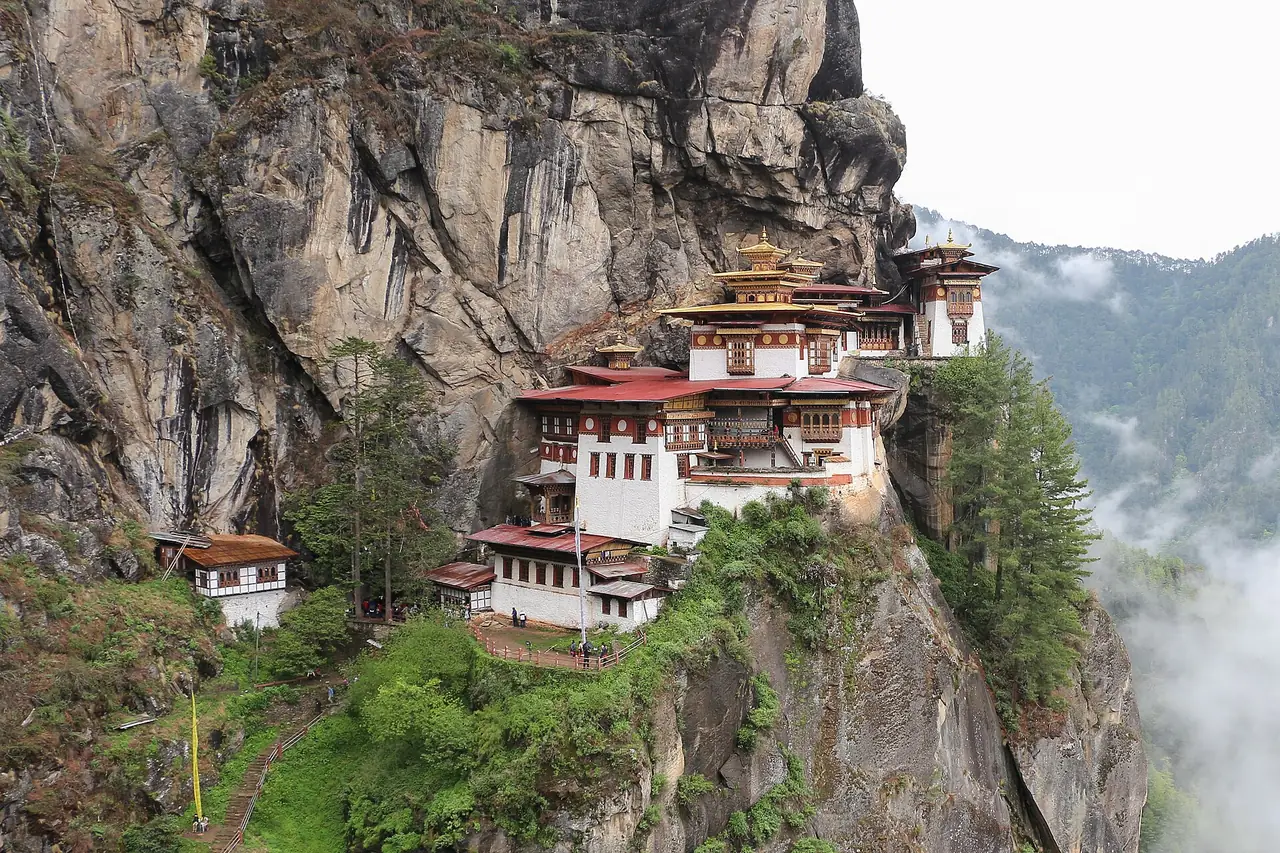
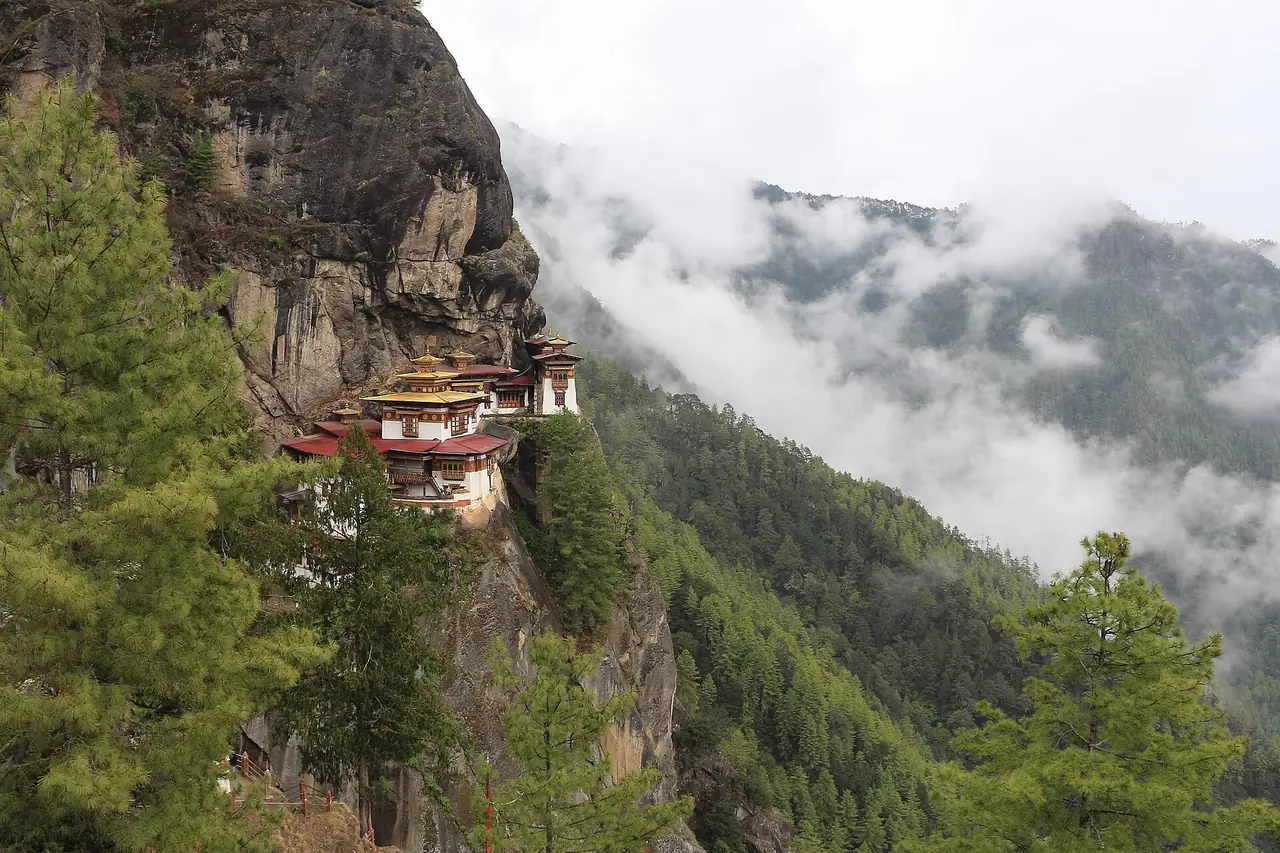
The Tiger's Nest, clinging to a cliff high above the valley floor.

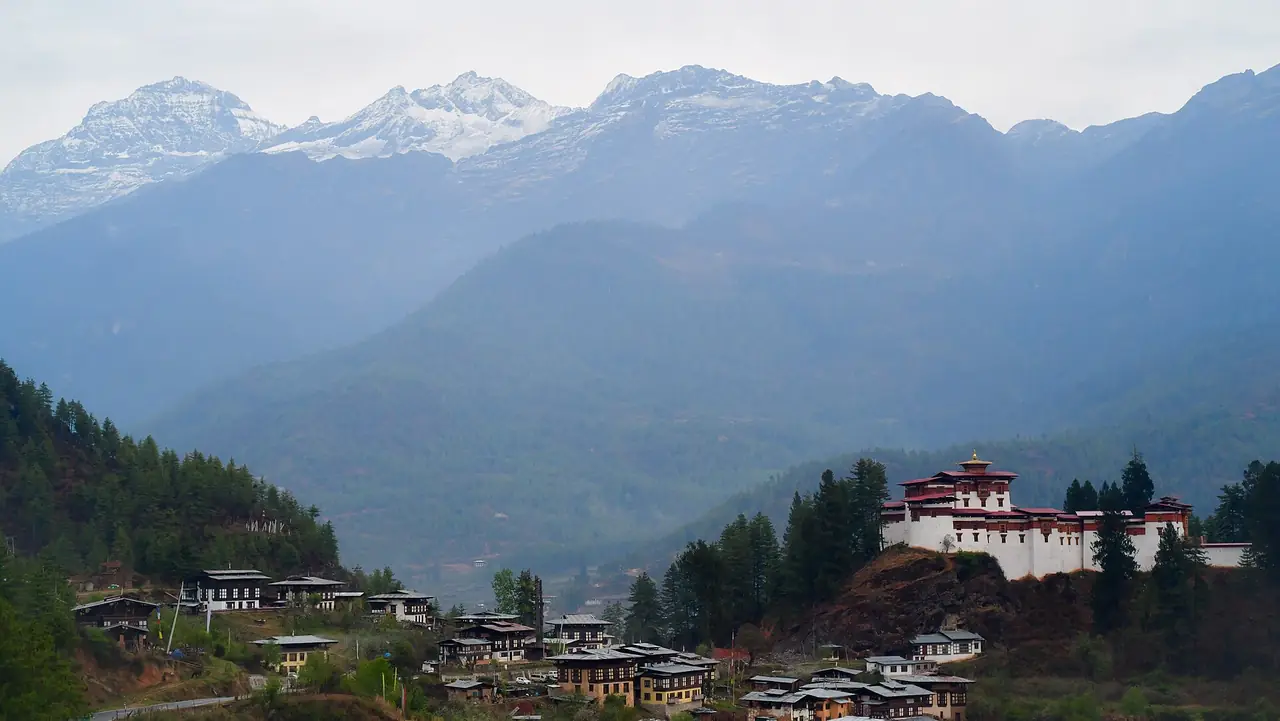
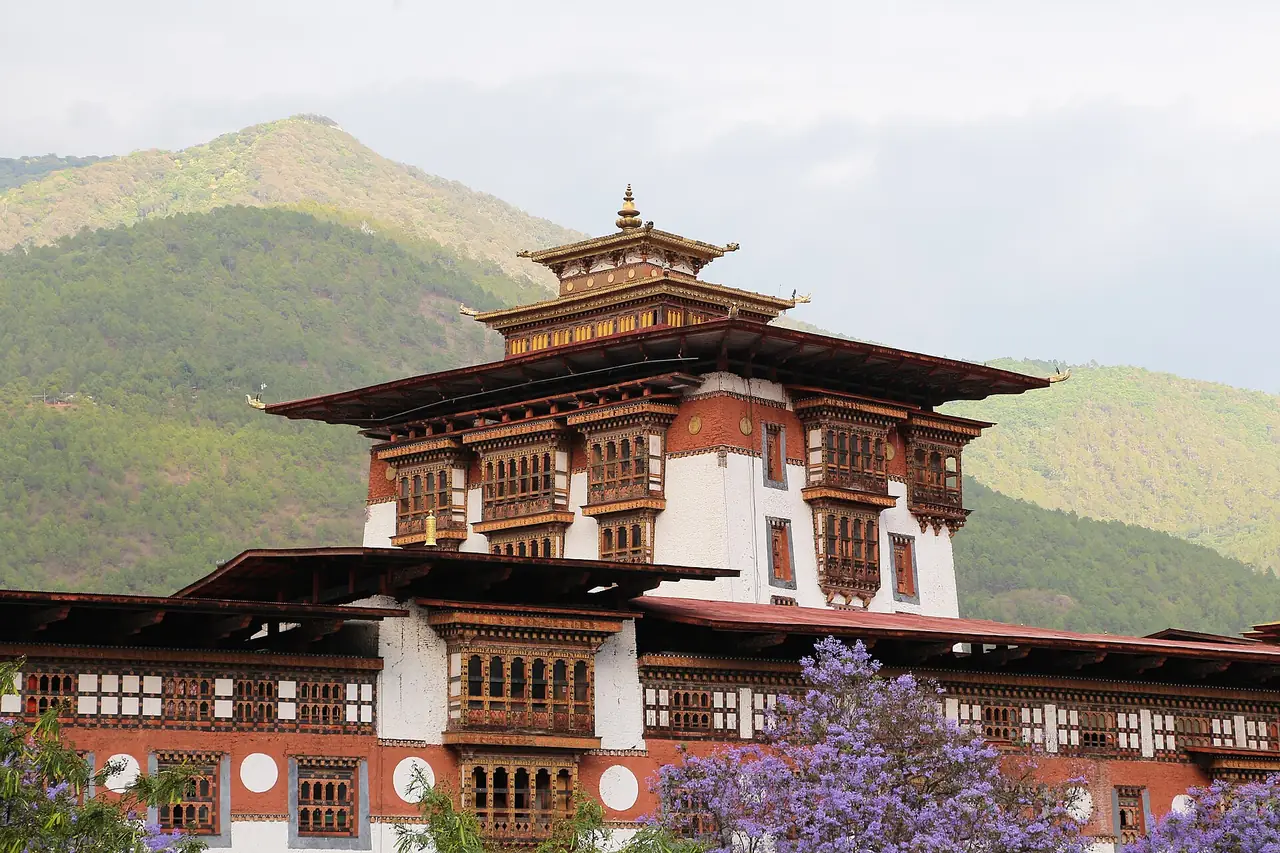
A great fortress-monastery where two rivers meet, especially lovely in spring.

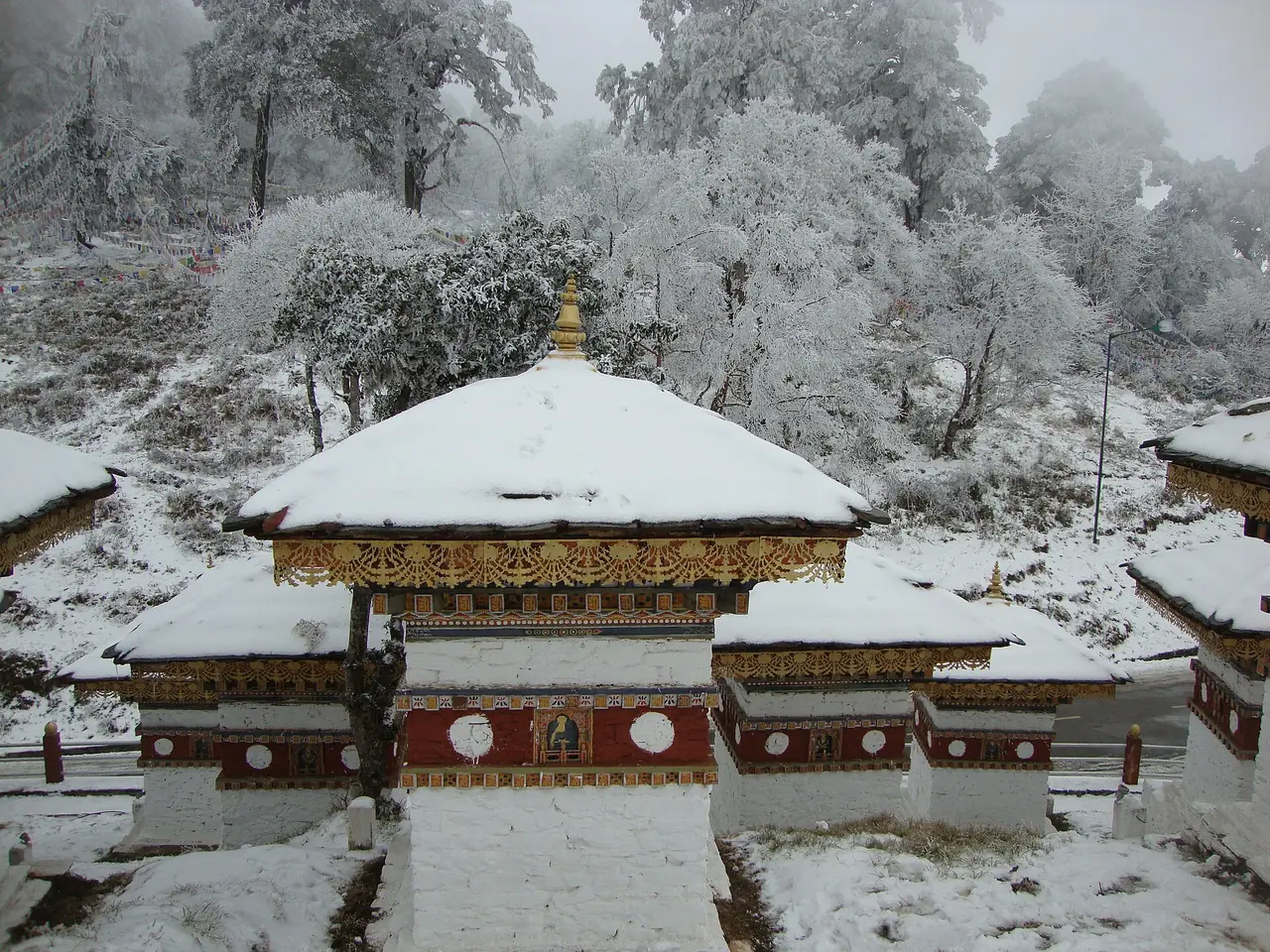
A pass crowned with 108 chortens and, on clear days, views of the high Himalaya.

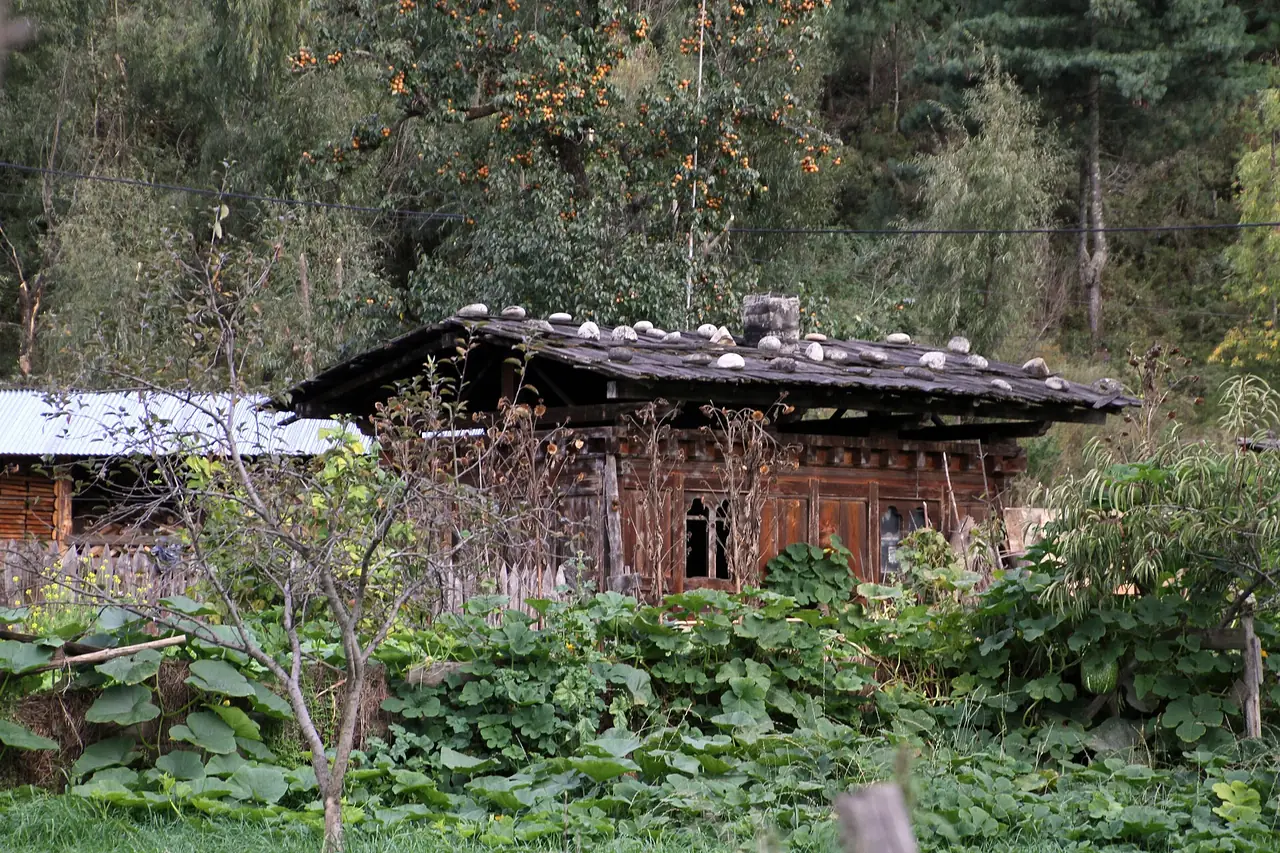
Farmhouses, rice fields and old dzongs in Bhutan's gateway valley.

The spiritual heartland of the country, with ancient temples and farmhouses.

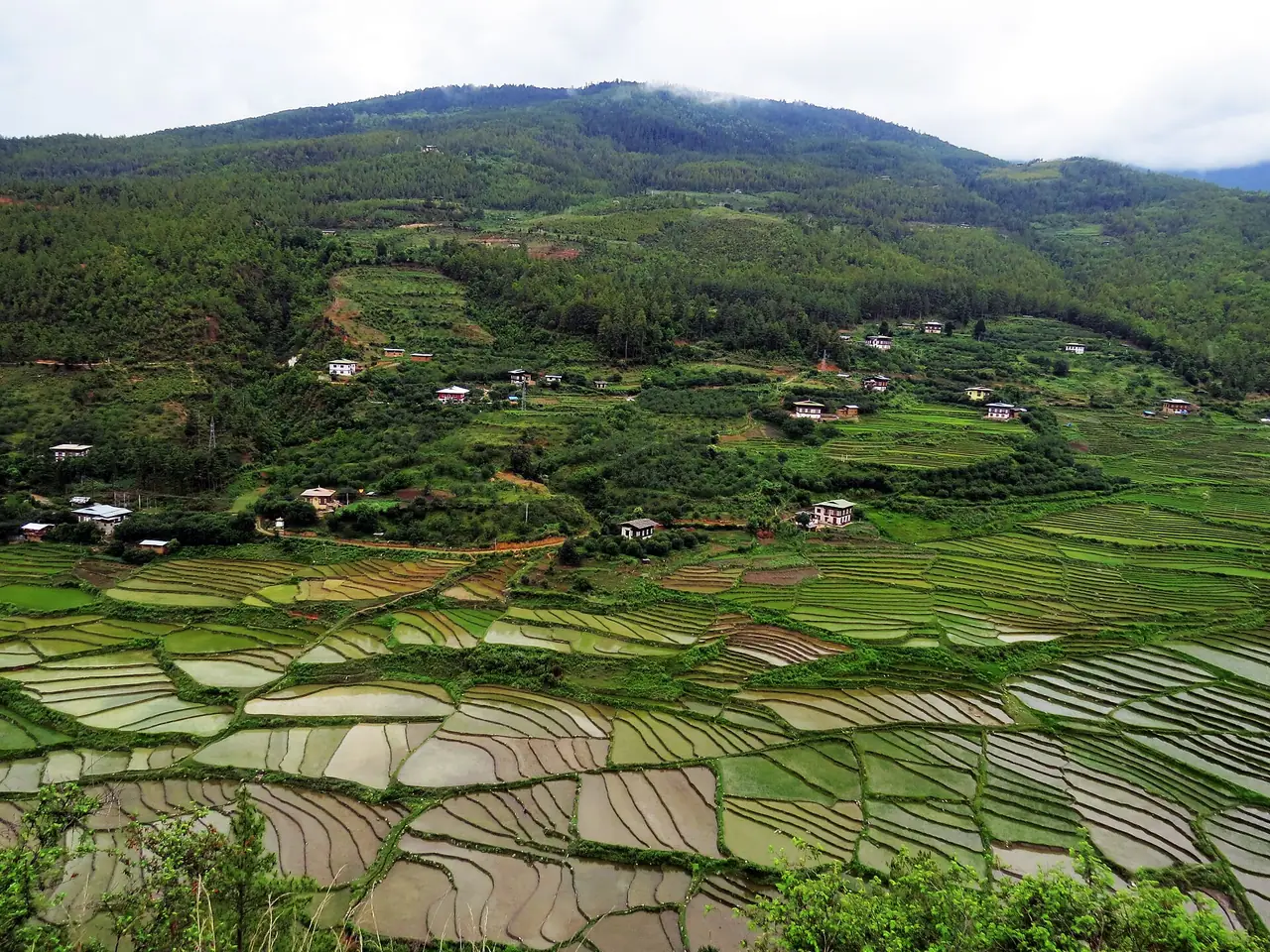
Rice terraces stepping down the hillsides below forested ridges.
Conditions vary from year to year — we check roads and weather before every departure.
Indian citizens currently need a passport or voter ID and a permit issued through their operator. Other nationalities need a visa, arranged in advance.
A per-night fee that supports Bhutan's environment and public services. Rates differ for Indian and international guests; we include the current rate in your quote.
Rules have relaxed for some visitors, but a licensed guide remains the norm and makes for a far richer trip.
Most tshechus fall in spring and autumn, following the lunar calendar. Tell us your dates and we'll suggest one nearby.

Tell us your dates and interests and we'll suggest a route that suits the season and your pace.